Most people focus on building an emergency fund.
Very few think about where to keep it.
And that decision quietly makes a difference.
If your emergency money is sitting in a savings account earning 2.5–3%, it is safe — but it is also under-utilised.
So the real question is:
Where to Park Emergency Fund Money So It Stays Safe and Accessible?
An emergency fund is not meant for growth. It is a stability buffer.
It must satisfy three basic conditions.
Safety
The value should not fluctuate meaningfully.
Liquidity
You should be able to access it quickly — without paperwork or waiting days.
Reasonable Return
Idle money should at least work a little.
Savings accounts satisfy the first two well. They struggle with the third.
That is why many investors now evaluate liquid funds.
Savings Account vs Liquid Funds
Before deciding where to park emergency fund money, compare the two primary options.
Savings Account
- Instant access
- No NAV movement
- Very low return
For small balances, this works fine. For a 6-month expense buffer, the opportunity cost becomes visible.
Liquid Funds
Liquid funds invest in very short-term debt instruments such as treasury bills, commercial paper and certificates of deposit.
- Short maturity profile
- Limited volatility
- Yield typically higher than savings account
Earlier used mainly by corporate treasuries, they are now increasingly used by retail investors for emergency funds.
The shift is largely due to one feature.
Instant Redemption: Why It Changes the Equation
Traditionally, mutual fund redemptions followed a T+1 cycle.
Now, many liquid funds offer instant redemption.
You log into the fund house app. Place a redemption request.
Money is credited — often within 30 minutes.
That speed changes behaviour.
When Instant Redemption Is Actually Useful
Real Emergencies
Medical expense.
Urgent travel.
Unexpected repair.
Speed matters more than return.
Market Opportunities
On sharp correction days, some investors prefer deploying capital quickly into equities. Instant redemption allows faster movement of funds compared to standard switch transactions.
Practical Limits You Should Know
Liquid funds are not identical to savings accounts.
- Instant redemption is typically capped at 90% of invested value
- Most schemes allow up to ₹50,000 per day
- Excess amount follows normal payout cycle
- Usually available through fund house apps
For most individual emergency buffers, this is sufficient. For larger allocations, caps must be considered.
Other Options to Park an Emergency Fund
Liquid funds are not the only short-term category available.
Overnight Funds
- Invest in securities maturing in one day
- Extremely low duration risk
- Slightly lower return than liquid funds
Suitable for ultra-conservative investors.
Money Market Funds
- Invest in short-term money market instruments
- Slightly longer maturity than liquid funds
- Slightly higher volatility
Not typically required for pure emergency parking.
Arbitrage Funds
- Invest in equity cash-futures arbitrage
- Tax-efficient for high tax brackets
- Treated as equity for taxation
- Usually no instant redemption
More suitable for surplus parking, not core emergency corpus.
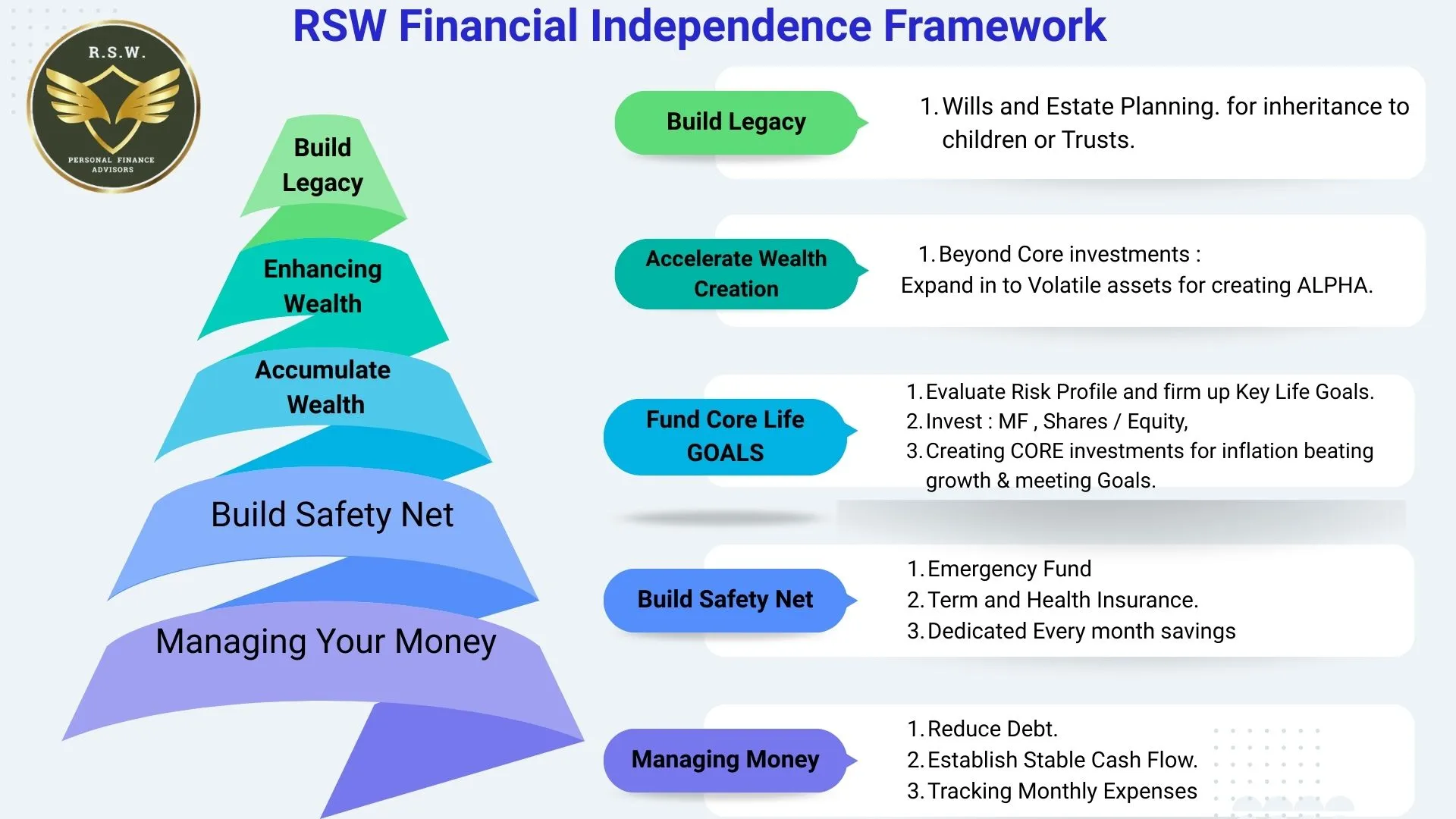
********* Read More ***********
Wealth Planning Framework for Salaried Professionals
*********************************
A Practical Way to Structure It
Instead of choosing one option blindly, consider a simple structure:
| Allocation | Purpose |
|---|---|
| 10–20% in Savings Account | Immediate liquidity comfort |
| 80–90% in Liquid Fund | Better return with near-instant access |
This balances emotional comfort and financial efficiency.
What Liquid Funds Are Not
- Not long-term wealth creation tools
- Not substitutes for equity
- Not meant to maximise returns
They are a cash-management solution within wealth management.
Final Thought
An emergency fund exists to reduce stress — not create complexity.
If your corpus is earning 3% purely out of habit, it may be worth reconsidering.
Liquid funds, especially those offering instant redemption, provide a practical middle path — safety with modest efficiency.
Keep it safe.
Keep it accessible.
Let it work quietly in the background.